
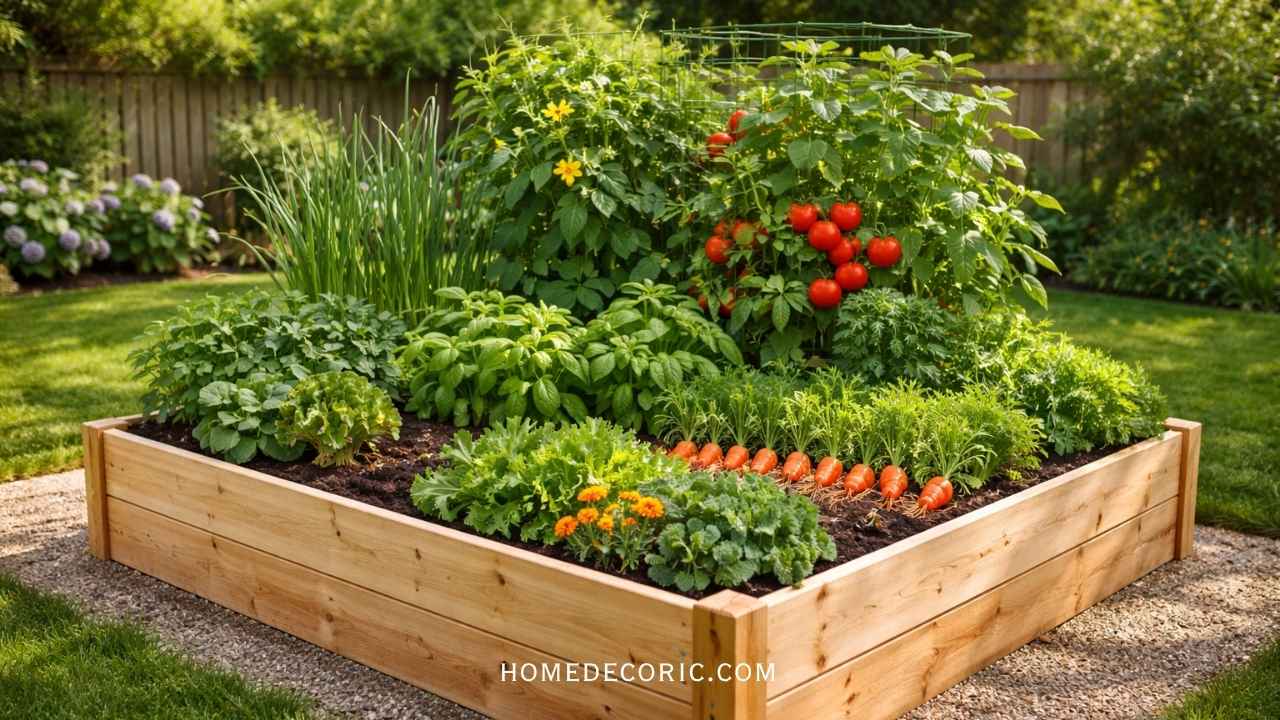
How to Build a Raised Garden Bed for Beginners (Step-by-Step Guide)
Building a raised garden bed is one of the easiest ways for beginners to start gardening. You create a wooden frame, place it in a sunny spot, fill it with quality soil, and plant your favorite vegetables or flowers.
Raised garden beds offer better drainage, fewer weeds, and improved soil control, making them perfect for beginners who want faster, healthier plant growth.
Why Raised Beds Are Perfect for Beginners
Most beginners struggle with soil quality and maintenance. Raised beds quietly solve both problems.
Because you control the soil, your plants grow faster and healthier. Water drains better, so roots don’t sit in soggy ground. And since everything is contained, you spend less time dealing with weeds and more time actually enjoying the process.
It’s also physically easier. You’re not constantly bending down, which makes a big difference if you plan to garden regularly.
Step-by-Step: Building Your First Raised Garden Bed
1. Start with the Right Spot
Before buying anything, step outside and look for a sunny area. Most vegetables need at least 6 hours of sunlight daily.
Try to pick a place that’s also convenient. If it’s too far from your house or water source, you’ll lose motivation quickly (this happens more than people admit).
A small tip: Stay away from large trees; they compete for nutrients and water.
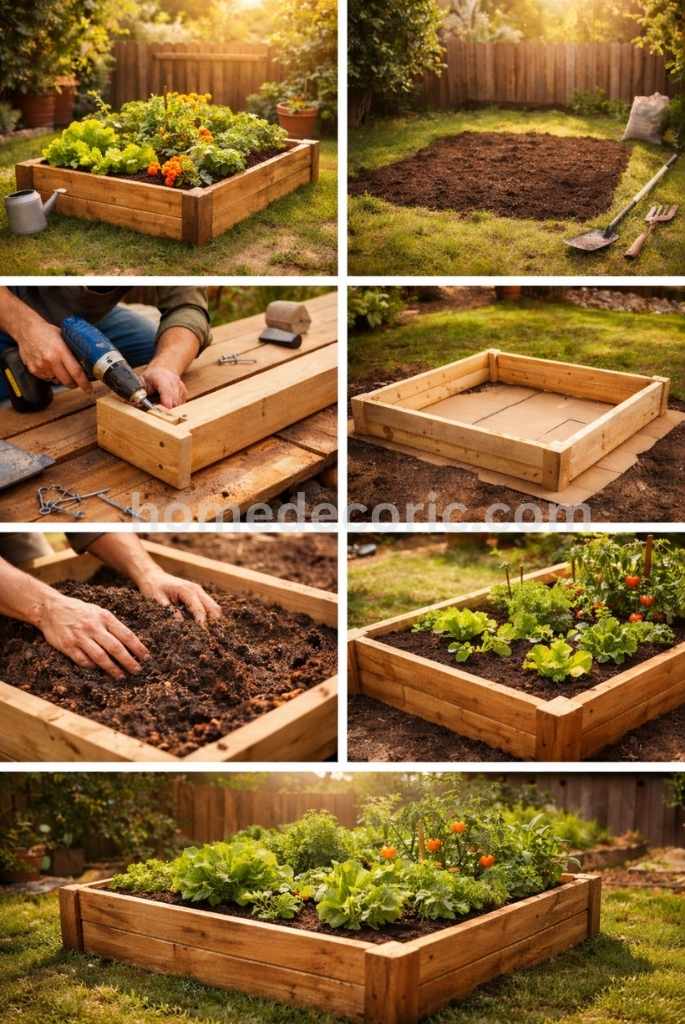
2. Keep the Size Simple
There’s no need to overthink dimensions. A beginner-friendly size works best:
- About 4 feet wide (so you can reach the middle easily)
- 6 to 8 feet long
- Around 10–12 inches deep
This size gives you enough space to grow a variety of plants without becoming overwhelming.
3. Choose Materials Without Stressing Too Much
Wood is the most common and beginner-friendly option. Cedar is ideal because it lasts longer, but even simple pine works if you’re on a budget.
If you want to save money, you can even repurpose old wood, bricks, or blocks. It doesn’t have to look perfect; plants don’t care.
4. Build the Frame (Easier Than You Think)
Once you have your materials, you’re basically creating a rectangle or square. Cut the wood to size and join the corners using screws. That’s your frame. Don’t worry about making it “perfect.” Just make sure it feels stable and sits flat on the ground.
5. Prepare the Ground Below
Place your frame where you want it, then clear away any grass or weeds beneath it. You can lay cardboard at the bottom for an extra layer of weed protection. It breaks down naturally over time and actually improves the soil.
6. Fill It with Good Soil
This part matters more than the frame itself.
Instead of using plain garden soil, go for a mix that supports growth. A simple approach works well:
- Some topsoil for structure
- Compost for nutrients
- Something light like coco coir or peat moss to help with moisture
Mix it and fill your bed. You’ll immediately notice how rich and soft it feels compared to regular ground soil.
7. Start Planting (The Fun Part)
Now your raised bed is ready, and this is where it gets exciting. Start with easy plants if you’re new. Leafy greens, herbs, and tomatoes are very forgiving and grow quickly.
Don’t try to plant everything at once. Begin with a few things, learn as you go, and expand later.
A Quick Word About Soil (Because It Really Matters)
Good soil is the difference between struggling plants and thriving ones. Think of your soil as the foundation of everything. If it’s rich and balanced, your plants will naturally do better with less effort.
A simple mix of topsoil, compost, and organic material is more than enough to get great results. You don’t need anything fancy.
Mistakes Beginners Often Make (And How to Avoid Them)
Most mistakes aren’t complicated; they’re just small oversights. People often place their beds in shady spots, use poor soil, or make the bed too wide to reach comfortably.
Overwatering is another common issue, especially in the beginning. The good news? These are easy to fix once you’re aware of them.
What Does It Cost?
You can build a raised garden bed on almost any budget. If you reuse materials, it can be very cheap.
If you go for fresh wood and better soil, the cost goes up a bit, but the results usually improve, too. Start simple. You can always upgrade later once you know you enjoy gardening.
Common Questions Beginners Ask
How deep should a raised garden bed be?
Around 10–12 inches is a good height for most plants. If you want to grow root vegetables, going a bit deeper helps.
Can I build it directly on grass?
Yes, you can. Just place cardboard underneath to stop weeds from growing through.
What grows best in raised beds?
Vegetables like tomatoes, lettuce, peppers, and herbs are all great choices for beginners.
How long will it last?
Depending on the material, a raised bed can last anywhere from 5 to 15 years.
Final Thoughts
Building a raised garden bed isn’t complicated; it just feels that way before you start.
Once you actually do it, you’ll realize how simple and satisfying it is.
You don’t need perfect tools or expert knowledge: just a small space, decent soil, and a willingness to try.
Start with one bed. Keep it simple. Learn as you go. And before you know it, you’ll have something growing that you built with your own hands; that’s the real reward.