How to Keep Your Backyard Cool in Summer?
Why does your backyard feel hotter than the rest of your home? And why is it so uncomfortable to sit outside during peak summer?
I used to struggle with the same problem: every surface radiated heat. That’s what pushed me to find real, practical solutions.
After testing what actually works, I’ve put together simple, effective ways to make your backyard cooler and enjoyable, even in extreme heat.
Quick Answer
To keep your backyard cool in extreme heat, focus on adding shade (like pergolas or umbrellas), using heat-reflective materials, incorporating plants and trees for natural cooling, and improving airflow with fans or open layouts. Even small changes, such as misting systems or lighter surfaces, can significantly reduce heat.
Your Backyard Is Too Hot… Here’s How to Fix It Fast
After trying different methods, I found these real ways to protect your garden from extreme heat.
1. Create Shade That Actually Works
One of the first things I discovered while trying to fix my hot backyard was how powerful simple shade can be.
I noticed that the areas getting direct sunlight were always the most uncomfortable, so blocking that heat made an instant difference.
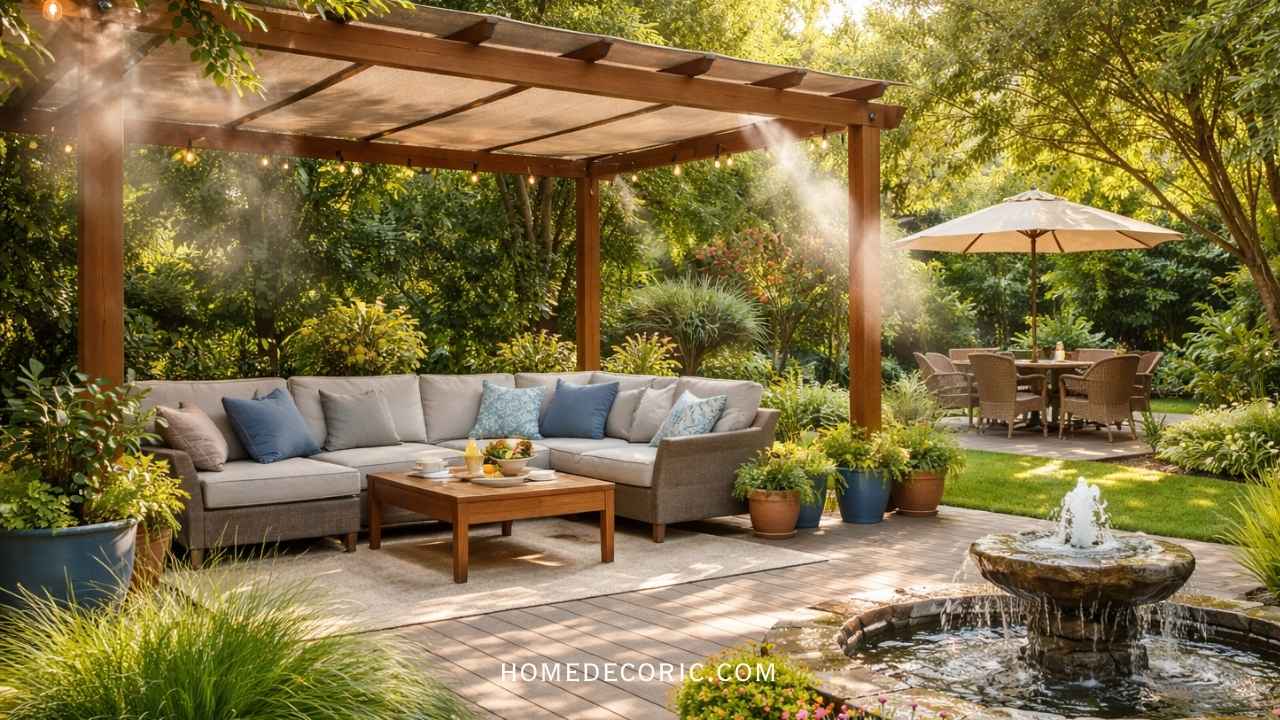
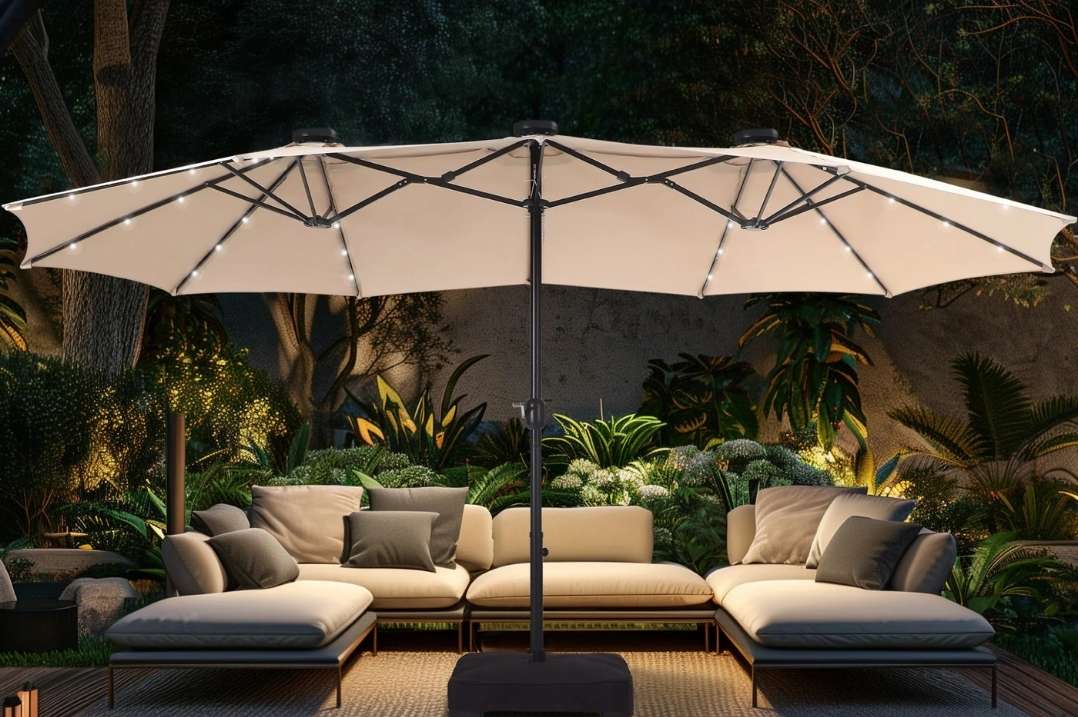
After testing a few options, I found that a pergola with a fabric cover or retractable canopy works great for long-term comfort and style.
Shade sails also surprised me; they’re affordable, modern, and really effective. Even a large umbrella can quickly turn a small patio into a cool, usable spot.
Pro tip: Position your shade structures based on sun direction during peak afternoon hours; that’s when heat is most intense.
2. Use Plants as Natural Cooling Systems
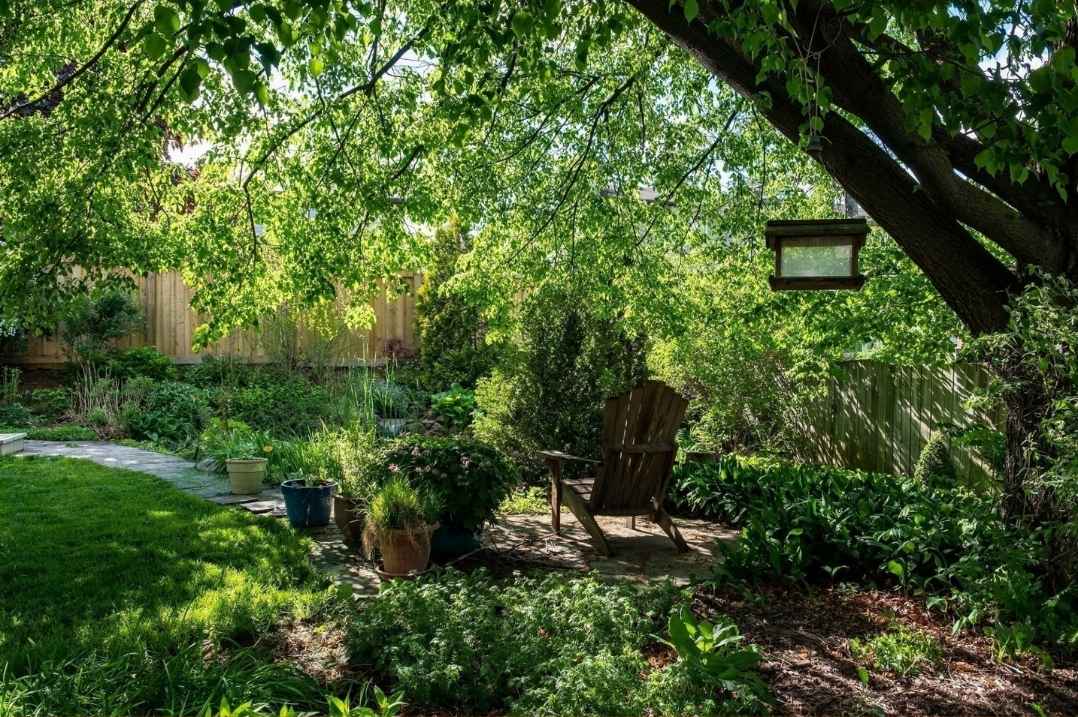
I think plants don’t just look good; they actively cool the environment through a process called transpiration.
Trees provide large-scale shade and can drop surrounding temperatures by several degrees. Even smaller additions, such as shrubs, vines, and vertical gardens, help reduce heat reflection from walls and floors.
Grass also stays significantly cooler than concrete or stone. If your backyard is heavily paved, consider adding patches of lawn or ground cover plants.
Smart move: Plant fast-growing trees on the west side of your yard to block harsh afternoon sun.
3. Add Misting Systems & Outdoor Fans
When I first started dealing with the intense summer heat in my own backyard, I realized that shade alone wasn’t always enough to beat it.
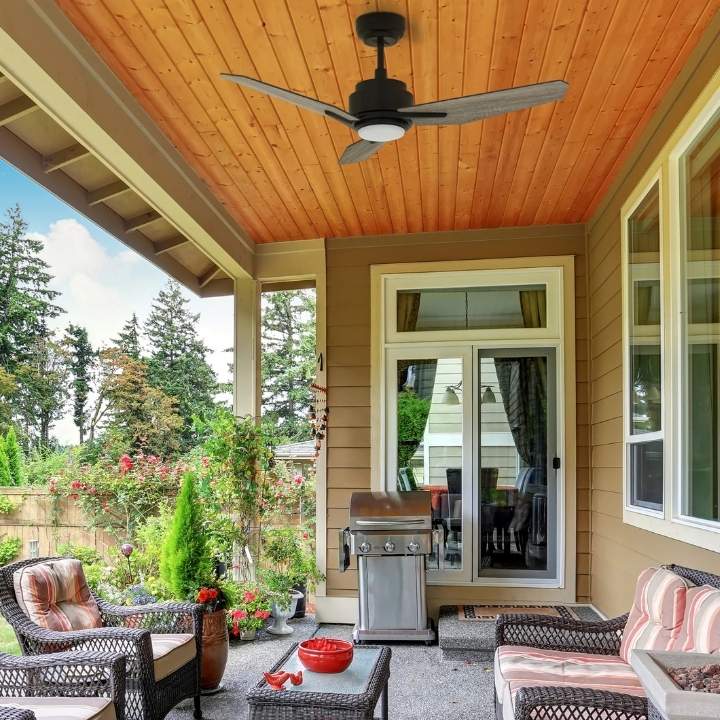
Misting systems release ultra-fine water droplets that evaporate quickly, cooling the air without soaking everything. I’ve found them especially effective in dry, hot climates.
Outdoor-rated fans help keep air moving, so heat doesn’t feel trapped. When you combine them with shade, the difference is noticeable right away.
Budget tip: A simple hose-based misting kit takes less than an hour to install and still delivers great cooling results.
4. Choose Heat-Reflective Materials
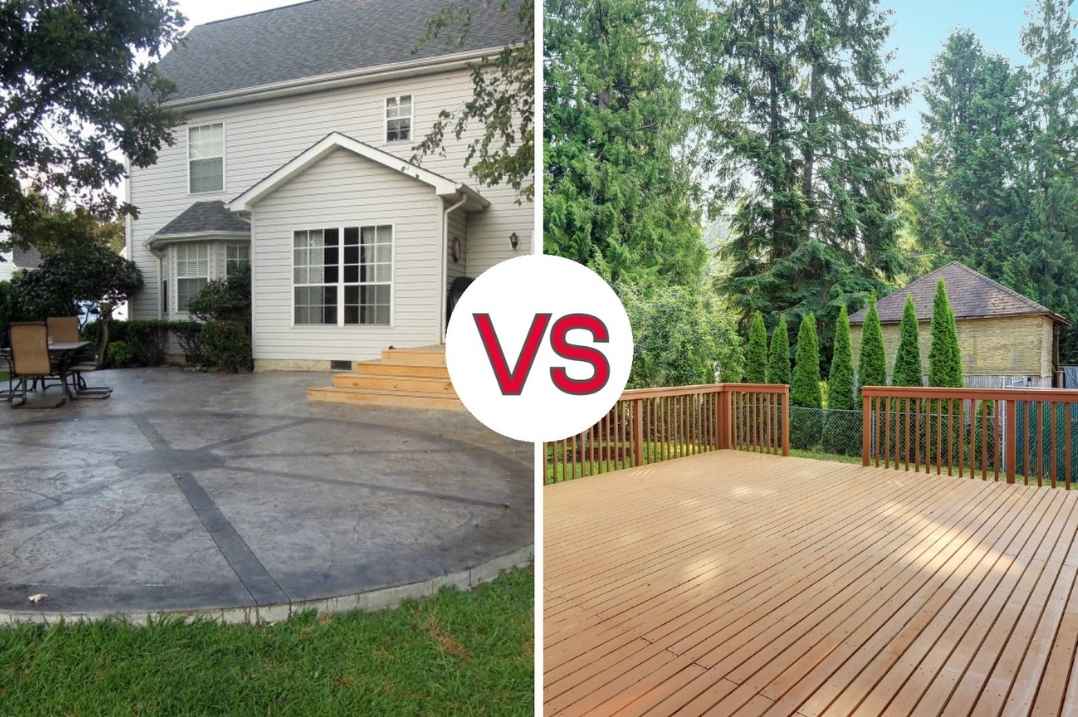
Do you know that your backyard surfaces play a huge role in heat retention? Dark materials like concrete, asphalt, and dark tiles absorb heat during the day and slowly release it, keeping your space warm even after sunset.
Switching to lighter-colored pavers, natural wood decking, or “cool deck” materials can significantly reduce surface temperature.
Simple fix: Even painting existing surfaces in lighter shades can help reflect sunlight rather than absorb it.
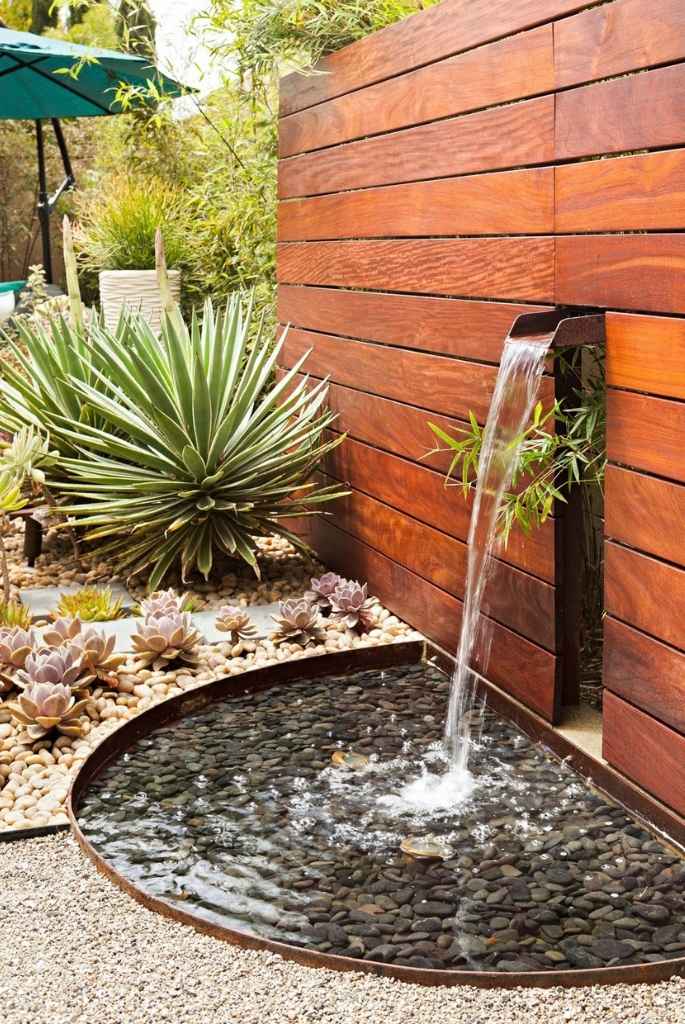
5. Use Water Features for Cooling Effect
I’ve noticed that bringing water into the backyard can instantly make the space feel cooler and more relaxing. It’s not just about temperature; it changes the whole vibe.
Even something as simple as a small fountain can create a refreshing atmosphere and slightly cool the surrounding area.
And if you have kids, adding a small inflatable pool or splash setup can make the space fun and usable again.
You really don’t need a full-size pool; just a small water feature can make a big difference in how your backyard feels.
6. Improve Airflow with Smart Layout
A common mistake homeowners make is blocking natural airflow without realizing it.
Arrange furniture and structures in a way that allows wind to move freely through your yard. Avoid placing large barriers that trap hot air in one area.
I recommended open layouts, spaced seating, and breathable materials (such as mesh or wicker furniture) to help air circulate more effectively.
Quick upgrade: Raise seating slightly off the ground to reduce direct heat exposure from hot surfaces.
7. Budget-Friendly Cooling Hacks That Actually Work
You don’t need to spend a lot to feel a difference.
- Hang light-colored outdoor curtains for temporary shade
- Use bamboo screens to block direct sunlight
- Lay outdoor rugs to reduce heat from the flooring
- Add portable shade structures instead of permanent builds
- Water down surfaces in the evening to cool them faster
Small changes, when combined, can dramatically improve comfort.
Pro Tips Most Blogs Don’t Tell You
- Layer your cooling strategy: Shade + airflow + plants together work far better than any single solution
- Focus on peak heat zones: Cool the areas where you actually sit, not the entire yard
- Use vertical space: Wall-mounted plants or shade panels reduce heat without taking up floor space
- Time your usage: Even the best setups feel cooler early morning and evening, design your space around that
- Think long-term: Trees and permanent shade structures increase property value while improving comfort
Common Mistakes to Avoid
- Installing shade that doesn’t cover peak sun angles
- Using dark flooring materials that trap heat
- Overcrowding the space and blocking airflow
- Ignoring ground heat (hot surfaces radiate upward)
- Relying only on fans without shade
- Skipping plants and greenery entirely
Avoiding these mistakes can save you both money and frustration.
FAQ
How can I cool my backyard without spending much?
Use shade sails, outdoor curtains, and plants. Even small additions, like misting kits or watering surfaces, can noticeably reduce heat.
Do shade sails really reduce heat?
Yes, they can lower surface temperatures by blocking direct sunlight and reducing heat absorption.
What plants help cool outdoor spaces?
Trees, shrubs, and climbing plants are best. They provide shade and cool the air through natural processes.
Is concrete making my backyard hotter?
Yes. Concrete absorbs and retains heat, making your backyard feel hotter even after sunset.
Are outdoor fans effective in extreme heat?
They help improve airflow and make the air feel cooler, especially when combined with shade.
What is the fastest way to cool a backyard?
Add immediate shade and use a misting system or water spray for quick temperature relief.
Conclusion
From my experience, a hot backyard doesn’t have to stay that way. Once I started combining shade, greenery, better airflow, and smarter materials, I could actually feel the difference and enjoy my space again, even in peak summer.
You don’t need to change everything at once. Start small, test what works, and build from there.
For me, it wasn’t about making the backyard look perfect; it was about making it comfortable enough to use and enjoy every day, truly.